
Loading
Loading
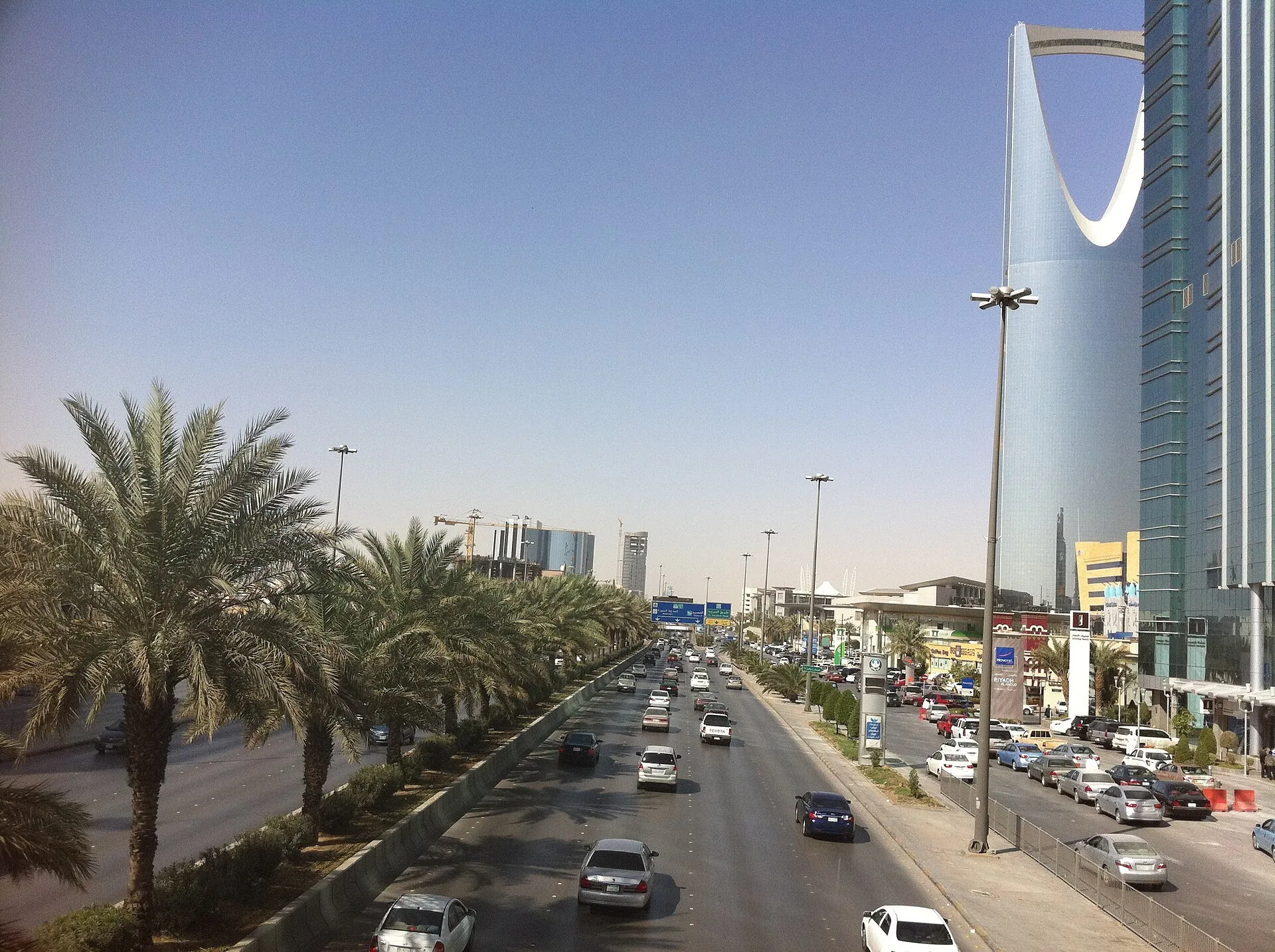
Kerbside · municipal · public realm
On-street parking is built in live streets, not closed basements. Excavation, ducting, foundations and reinstatement have to leave the pavement usable, while meters, kiosks, cabinets and signage must be powered, connected and maintainable.
01
Kerbside installation starts with what is under the pavement. Utilities, reinstatement quality and protection of the finished surface determine whether the parking asset lasts or becomes a maintenance liability.
02
Meters, kiosks, cabinets, poles and enclosures are prepared as a set. Power, solar where specified, and communications are brought to the same point so the machine is not waiting on a second contractor.
03
Street devices fail quietly when earths, isolators or backhaul are incomplete. Testing, documentation and operational handover close those gaps before the street is returned to the city.
05On-street parking
Street work is unforgiving. There is live traffic, buried services that rarely match the record drawing, a footway that has to be safe again by morning, and equipment that will sit in the weather for the next ten years.
We excavate, duct, base, mount, power and connect kerbside equipment, then reinstate the surface properly and record what is underneath — because the next crew to open that footway will be relying on it.
Explore On Street Parking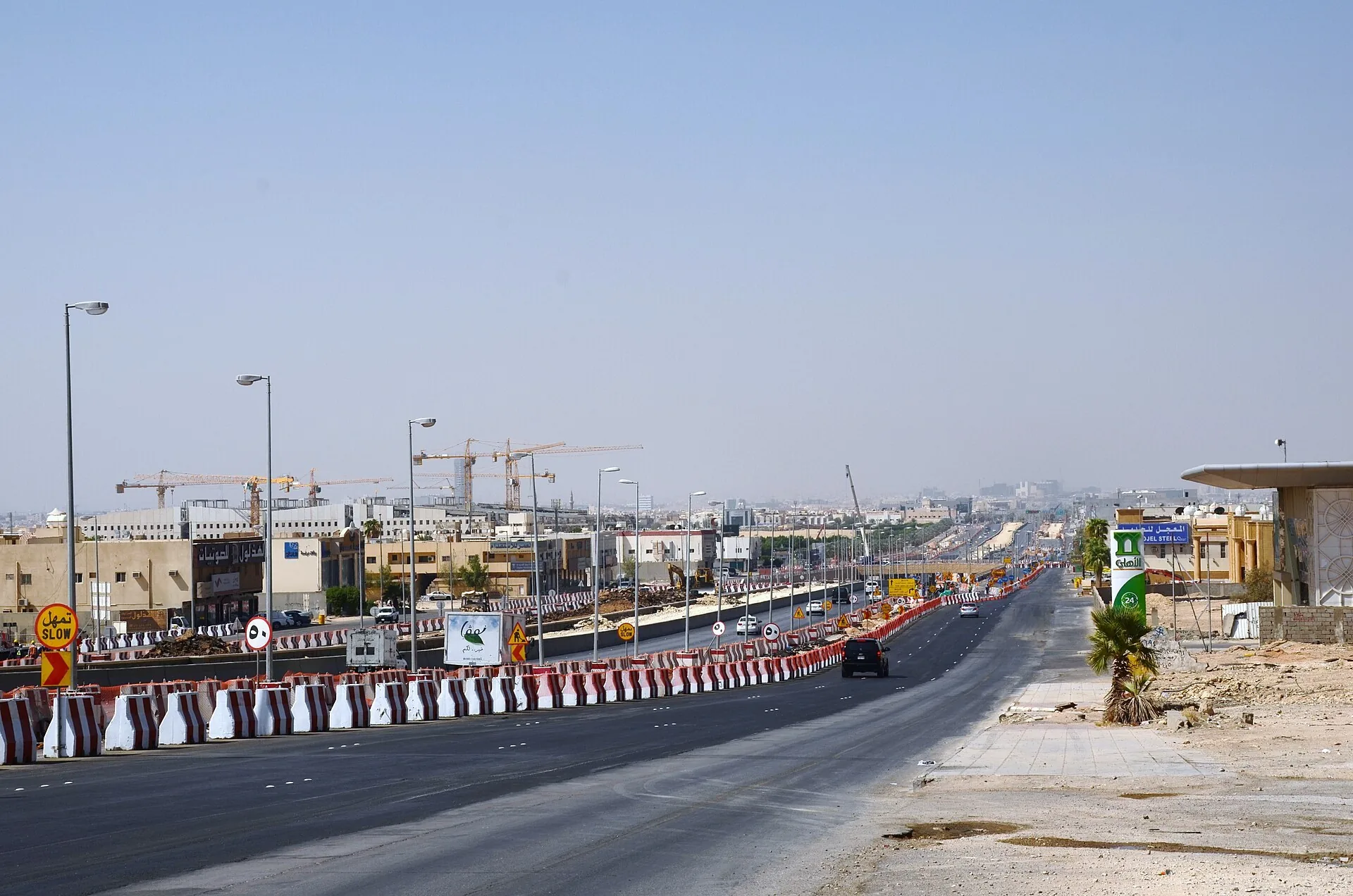
Kerbside scope
Send the layout, the parking system being considered and the programme dates. You will get a direct answer about scope, sequence and what the site still needs.